A solar system is typically a 20–25 year investment, but "install and forget" doesn't really hold up against Pakistan's climate. Dust, heat, monsoon humidity, and the occasional bird problem all chip away at output if the system isn't looked after — sometimes by a meaningful margin.
Dust is the biggest everyday enemy
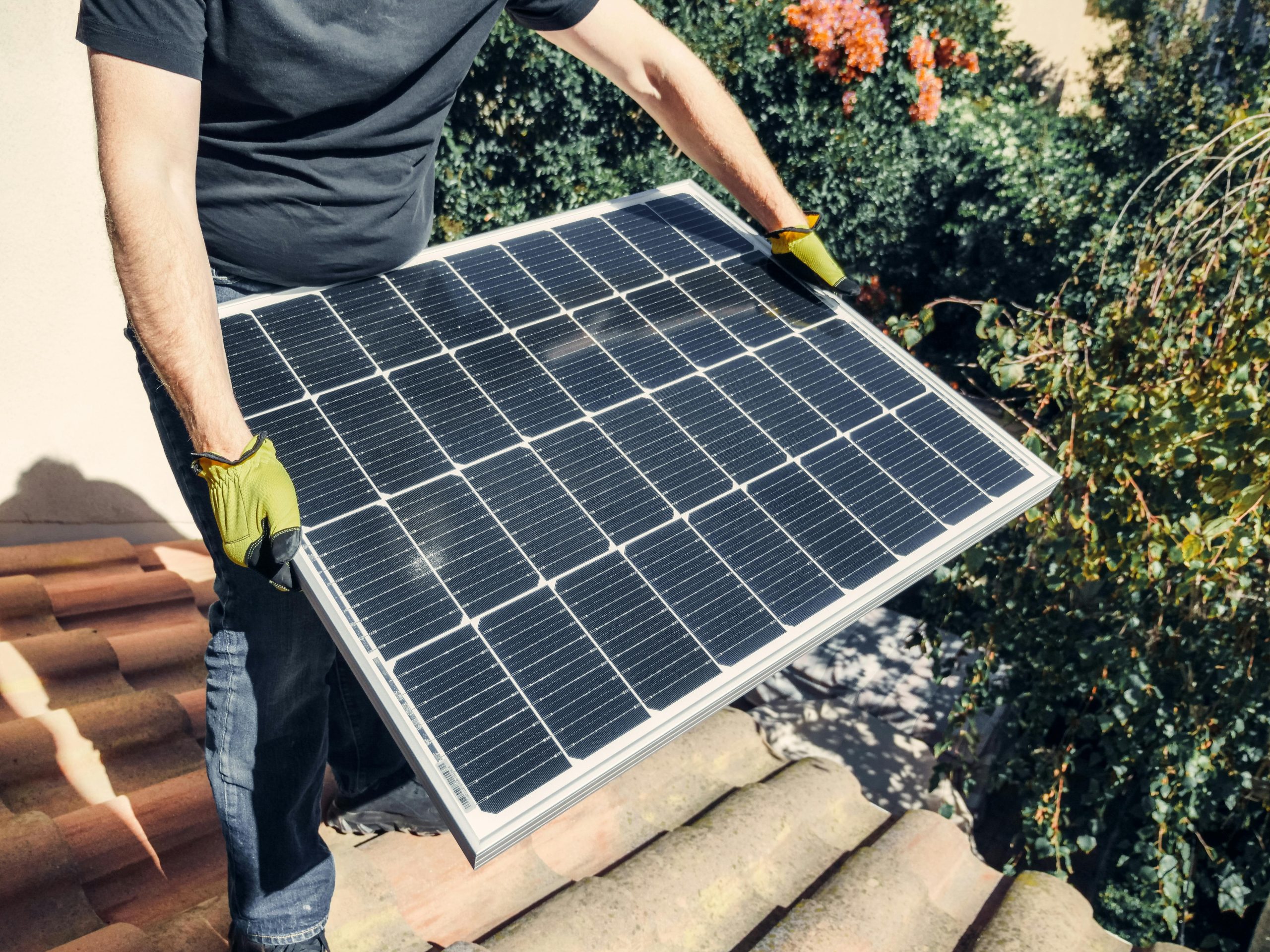
Airborne dust settles on panels constantly in most Pakistani cities, and even a thin, even layer can measurably cut output by blocking direct sunlight — uneven dust patterns are worse still, since they can create localised "hot spots" that stress individual cells over time. In dustier cities or during dust-storm season, panels benefit from cleaning roughly every two to four weeks; in calmer periods, monthly is usually enough for most residential systems.
Heat affects the inverter as much as the panels
Panel output does dip somewhat in extreme heat — that's normal panel physics, not a fault — but the bigger risk in Pakistani summers is inverter overheating. Make sure your inverter is mounted somewhere shaded and ventilated, and have its cooling fans and vents checked and cleared of dust periodically, since a blocked fan is a common cause of an inverter throttling output or shutting down on a hot afternoon.
Monsoon season: check shading and drainage
Monsoon rain generally helps by washing dust off naturally, but the season brings its own issues — fast tree growth that can start shading a panel row that was clear a few months earlier, and standing water or debris around ground-mounted arrays. It's worth a quick shading check before and after monsoon season, since even partial shade on one panel in a string can drag down the output of the whole string, not just that one panel.
A simple maintenance rhythm that covers most homes
- Every 2–4 weeks (more often during dust storms): visually check panels for dust buildup and bird droppings; clean if visibly dirty
- Monthly: check your inverter's display or monitoring app for error codes or an unexplained drop in daily output
- Before and after monsoon: check for new shading from tree growth, and inspect visible wiring and mounting for wear
- Annually: a professional inspection covering wiring, earthing, connection torque, and inverter health — small issues are far cheaper to catch early than after a fault takes the system down
Most of this is manageable yourself with basic care, but anything involving the inverter's internals, wiring, or working at height should go to a qualified technician — both for safety and because most manufacturer warranties expect maintenance to be done properly and documented.